Life in America keeps getting more expensive. Rent, power bills, and groceries keep outrunning wages. While there are many reasons for this, one runs beneath all of them: we stopped building. The homes, power lines, and factories that would bring prices down by adding supply are stuck for years in a permitting system that no longer does its job. Making life more affordable means making it possible to build again.
Energy permitting is where the breakdown shows clearest. Take Vineyard Wind in New England. Developers cleared every environmental review, beat back every lawsuit up to the Supreme Court’s refusal to hear the case, lined up financing, and began sending power to the grid. Then it was ordered to stop anyway. It took a federal judge to get the turbines turning again. While this project ultimately succeeded, these kinds of disruptions only worsen the affordability crisis – and if every new project is an election away from going back to square one, capital will stay on the sidelines and power bills will keep climbing.
The usual argument pits development against the environment. Cut the regulations, one side says, and the cranes will move. Protect the rules, the other answers, or we’ll lose what we can’t get back. Both miss what the record shows. The same friction that stalls a gas pipeline stalls the wind farm beside it. Reform isn’t a threat to the environment – it’s what the clean-energy transition needs, because we can’t cut emissions if projects can’t get built.
New research from the Responsible Business Initiative, commissioned by Next American Era, shows that permitting delays stem from multiple overlapping obstacles: understaffed agencies, sequential reviews, interconnection backlogs, litigation, and complex supply chains – all colliding to ensure projects never get done. Reform aimed at just one of these issues does little about the rest. That’s why we need comprehensive, bipartisan permitting reform.
This dysfunction is costing families across the country. When the grid can’t move cheaper power to where it’s needed, congestion charges pile up. In 2024, the cost of grid congestion exceeded $12 billion – the fourth consecutive year above $10 billion. Meanwhile, 8,200 projects worth over 2,000 gigawatts sit waiting to connect to the grid. Of everything in the queue from 2000 to 2020, only 13 percent was ever built – roughly three-quarters were scrapped. That means less competition and higher bills.
Workers bear the cost too. Every month a project sits idle, electricians and laborers lose wages, healthcare eligibility, and the on-the-job apprenticeship hours they need to earn federal credentials – hours that can’t be earned any other way.
The good news: none of this is fixed in place. Take Gemini Solar, a project on federal land outside Las Vegas, in desert habitat, next to tribal land, which finished a full, demanding environmental review in about 11 months. It didn’t just clear the project – it improved it, reshaping the footprint to address real concerns. That is what competent permitting looks like: fast, careful, and better for the work.
This is bipartisan governance in action – the kind that can improve lives and reduce household bills, and it’s what Americans are seeking right now.
There’s a real chance to act. Bipartisan bills, including the SPEED Act, have already passed the House and are waiting on Senate negotiations. But with the midterms closing in and the legislative calendar shrinking, that window won’t stay open long. Congress has a choice: tackle a problem that directly affects household costs, or do nothing.
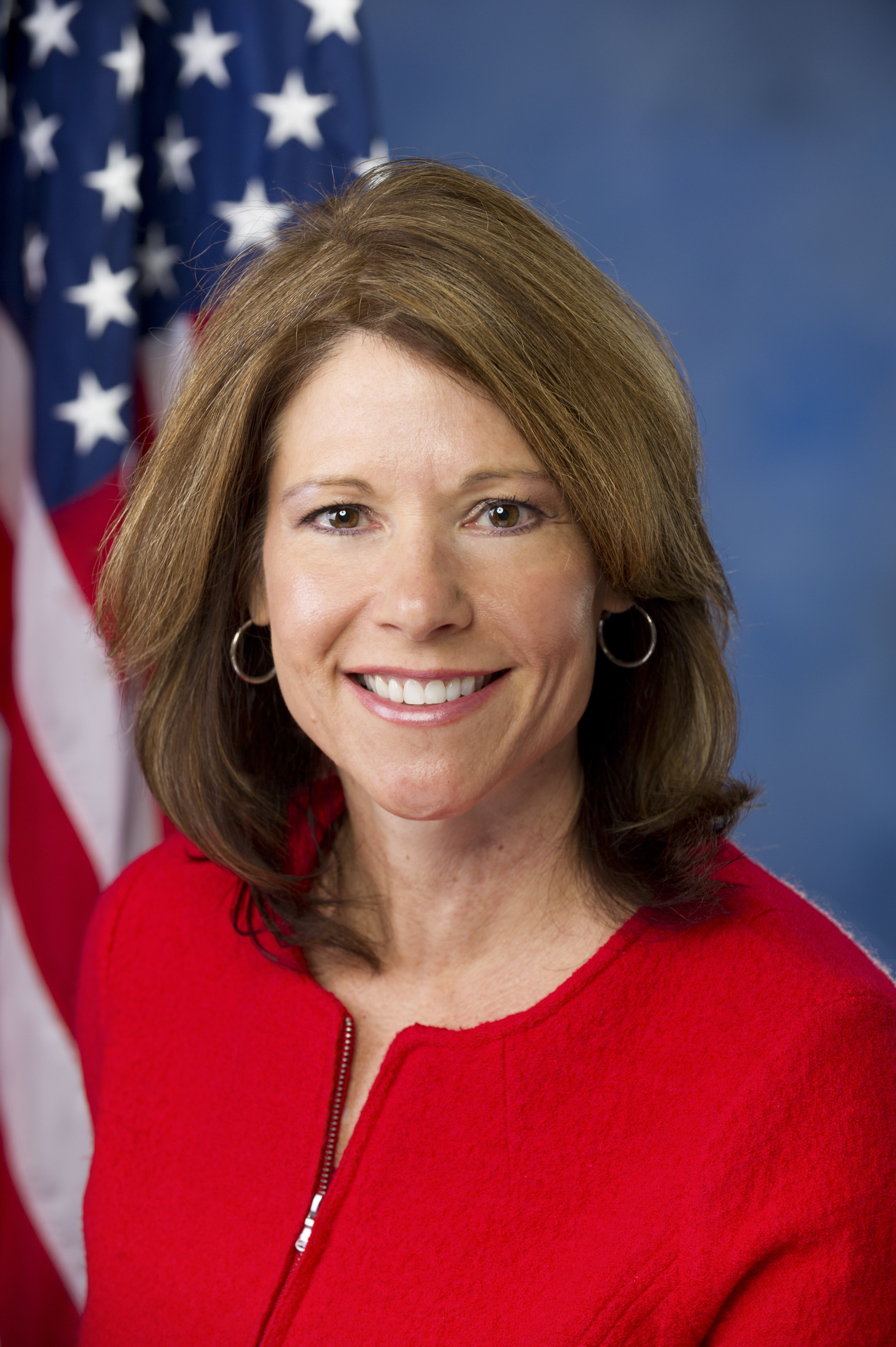
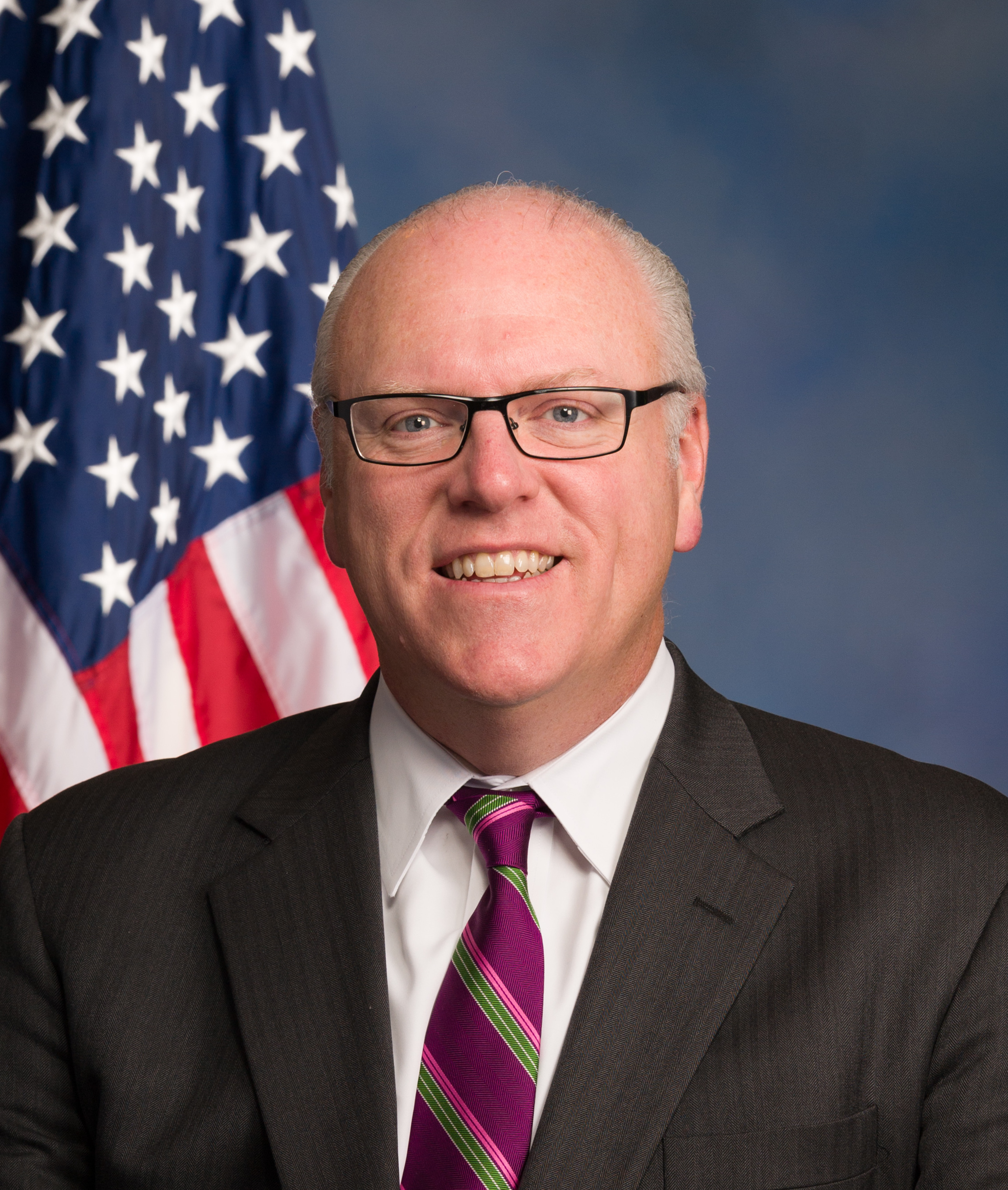
Cheri Bustos is the president of Next American Era and the former chair of the Democratic Congressional Campaign Committee. She represented Illinois’s 17th District in the U.S. House of Representatives from 2013 to 2023. Joe Crowley is a senior advisor to Next American Era and the former chairman of the House Democratic Caucus. He represented New York’s 14th District, including Woodside, Queens, in the U.S. House of Representatives from 1999 to 2019.

Every day, families across America get the call no one should ever have to answer. A son isn’t…


Automotive manufacturing is at the heart of the American industrial economy, supporting millions of jobs across automakers, suppliers,…

When a skater steps onto the ice in an arena filled with spectators, and millions more watching at…
On the record or off. Lawmakers, staffers, lobbyists, journalists — if it belongs on Capitol Hill, we want to hear it.
Thanks for reaching out. We review every pitch and will follow up if we want to pursue the story.